How To Avoid Scams in Kenya's Used Car Market
The patterns that repeat — and the verifications that stop them before your money moves.
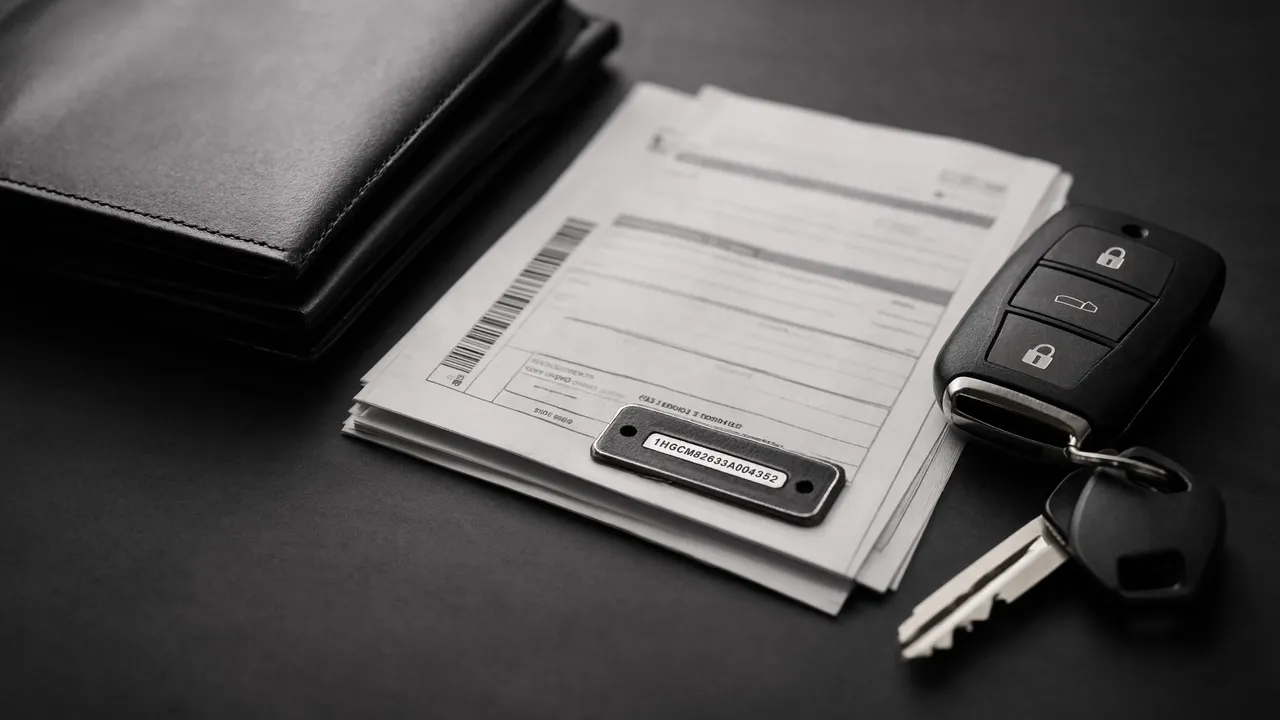
Kenya's used car market is enormous, liquid, and mostly honest. But the scam patterns are so consistent that a buyer who knows them can sidestep 99% of the risk. This is the pattern recognition our clients are trained on.
The patterns that repeat
The "too good" price
When a Prado is priced 30% below market, the gap is never the seller's generosity. It's the cost of whatever they're hiding — a cloned chassis, a written-off history, or a logbook that doesn't match the car.
Rule: if the price is far enough below market to feel lucky, it's far enough below to be a trap.
The Mombasa Road miracle
"Come to Mombasa Road and see it yourself" is a genuine selling tactic — and a common scam stage. The car exists and drives well. What's missing is that it's a stolen unit, or the logbook belongs to a different vehicle.
The identical logbook
Logbook cloning is the industry's most professional fraud. Scammers obtain the logbook of a real, registered vehicle and duplicate it onto a stolen or written-off chassis. The KRA record looks perfect because it is perfect — for the other car.
The rushed deposit
Urgency is the scammer's best friend. "Another buyer is coming in an hour — send a deposit to hold it." Real sellers don't run a car market like a bidding war for walk-ins.
The "I'm abroad" seller
A variant of the deposit scam: the seller is conveniently in Dubai, the car is with a "cousin," and the transaction can only happen via a wire transfer and courier. Legitimate sellers are reachable, in person, on their own soil.
The verifications that stop them
1. Cross-check the logbook
Check the logbook against KRA and NTSA records. The chassis and engine numbers on the vehicle must match the logbook exactly — and the logbook must be issued in the name of the person selling to you.
2. Match the stamps
On imports, compare the chassis stamp, the engine stamp, and the body number plate. They must align with the import documents. Stamped-over or repainted numbers are a hard fail.
3. Read the OBD and service history
A clocked cluster is visible in the service records. Compare the odometer against every stamped service, the MOT/history documents, and the tyre and pedal wear. The data should agree.
4. Inspect before any money moves
A physical inspection is not optional. If the seller won't allow one, you already have your answer. This is non-negotiable whether the car is next door or on the other side of the port.
5. Use formal payment trails
Bank transfers and formal receipts create paper trails that fraudsters avoid. Cash, mobile-money "deposits to a friend," and third-party wallets should be red flags, not conveniences.
6. Verify the person
Meet at a location of your choosing, confirm ID, and validate the address on the logbook. Sellers who operate from "the roadside" are not harder to scam — they're easier to lose.
What a professional verification looks like
We run every client purchase through the same gate:
- Document audit — logbook, KRA, NTSA, import papers
- Identity match — chassis, engine, body stamps aligned
- 120-point mechanical inspection
- History reconstruction — mileage, service, accident signals
- Written report — with a clear green light or kill switch
The bottom line
The market is efficient, and scams are a tiny fraction of transactions. But the fraction is concentrated where your guard drops: quick deals, big discounts, and urgency. Slow down, verify everything, and let the paperwork prove the story.
If a deal needs to happen fast, that's the deal that needs to happen slowest.