Common Import Mistakes — And How To Avoid Them
From auction grades to clearing delays, the costly first-timer traps in Japanese and UK imports.
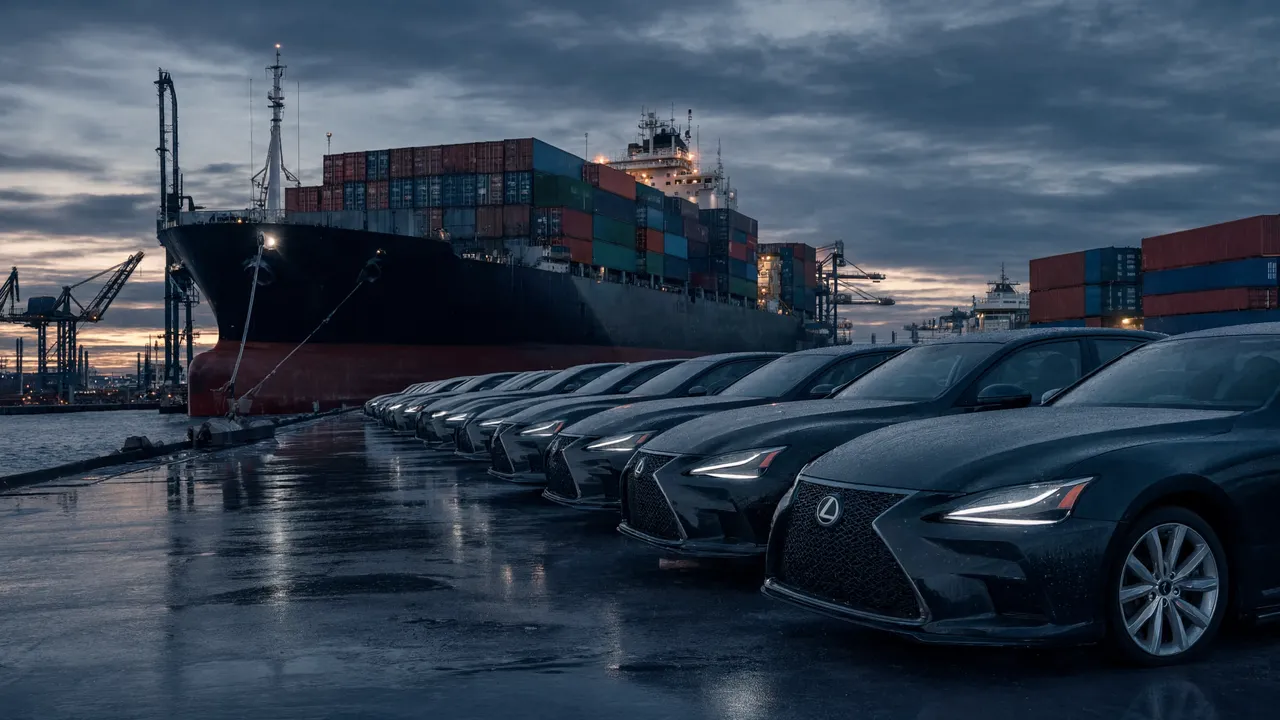
Every month we audit import purchases that went wrong. The causes repeat with striking consistency. This is the shortlist of the traps we see most often — and the verification that stops each one.
Trap 1: Believing the auction grade
A Japanese auction grade is a guide, not a guarantee. A grade 4 with a low mileage reading looks perfect on paper, but the grade sheet doesn't tell you what we find under the car: repaired chassis legs, blended panels, or a clocked cluster.
The fix: pay for a third-party pre-shipment inspection in the source country, and require high-resolution photos of the engine bay, sills, and underneath. The KES you spend here saves five figures in Nairobi.
Trap 2: Misreading the year
Kenya's import rules and the resale market value the year of manufacture heavily. A common error is assuming the "first registration" year is the model year. Japanese auction sheets state the first registration date — check it directly, because a six-month difference can shift the duty bracket or your selling price by hundreds of thousands of shillings.
Trap 3: Ignoring clearing and duty arithmetic
The cost of a car is not the cost of a car. Buyers routinely forget:
- Import duty and VAT — based on CIF value, which includes freight and insurance
- IDF and railway levy — small, but they add up
- Clearing agent fees — quoted or hidden?
- Port storage — if your car sits in Mombasa, it accrues daily charges
The fix: model the total landed cost before you bid. A "cheap" auction car at KES 800,000 can land at KES 1.3M+ once everything is tallied.
Trap 4: Choosing the wrong vessel
Ro-ro versus container is not a trivial decision. Ro-ro is cheaper but exposes the vehicle to handling risk and the elements. Containers protect the car but cost more and take longer. For luxury or low-volume units, the container premium is usually worth it.
Trap 5: No independent mechanical check on arrival
The most expensive mistake: collecting the car from the port and only discovering the water pump, suspension, or AC issues weeks later. By then the "as-is" battle with the seller is over.
The fix: book a post-clearing inspection within 48 hours of collection. We catch the failures early, when you still have recourse.
Trap 6: Skipping the paperwork audit
Title, shipping documents, insurance, and customs entries must all line up. Mismatched names or VINs have cost importers months of delays. Have an expert review the file before the vessel even sails.
The repeatable process
The clients who import without drama follow the same sequence every time:
- Budget the landed cost, not the auction price
- Verify the source — auction sheet, photos, third-party inspection
- Lock the timeline — sailing, arrival, clearing windows
- Audit the papers before shipping
- Inspect on arrival before accepting the vehicle
Importing is not hard. It's just expensive to learn by trial and error.